Why buy property in Phuket?
Phuket is Thailand's largest island and its most developed resort property market, with an international airport, private hospitals and international schools on the island. It suits buyers looking for a holiday home, a base for long stays or a condo to let, in a place where the infrastructure works all year round.
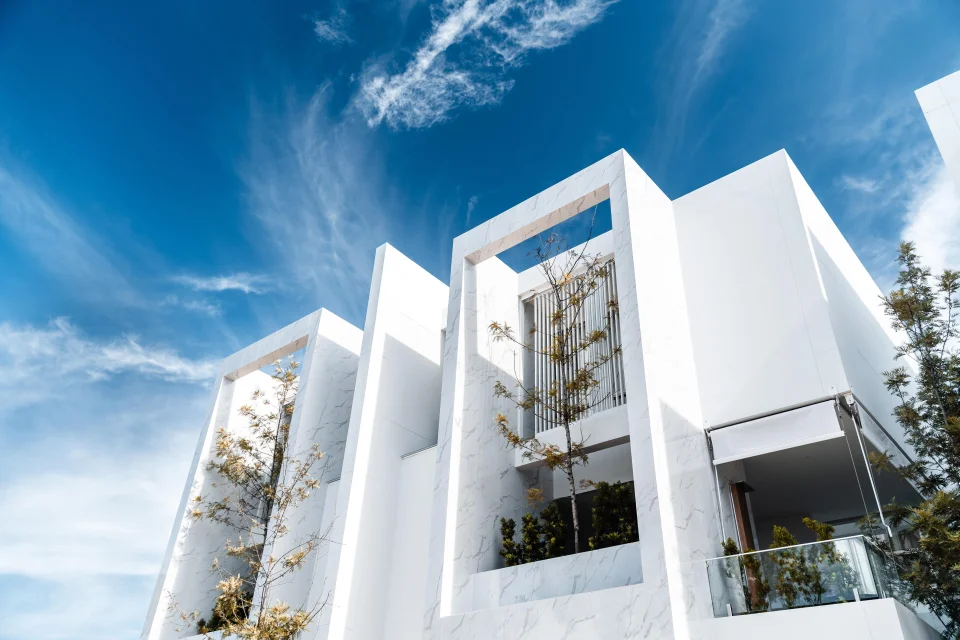
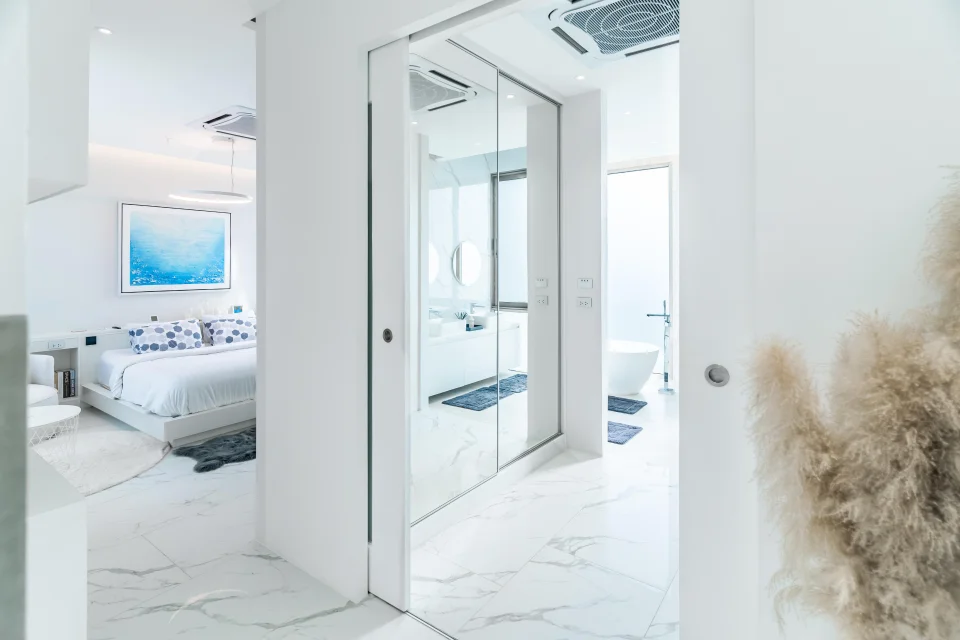
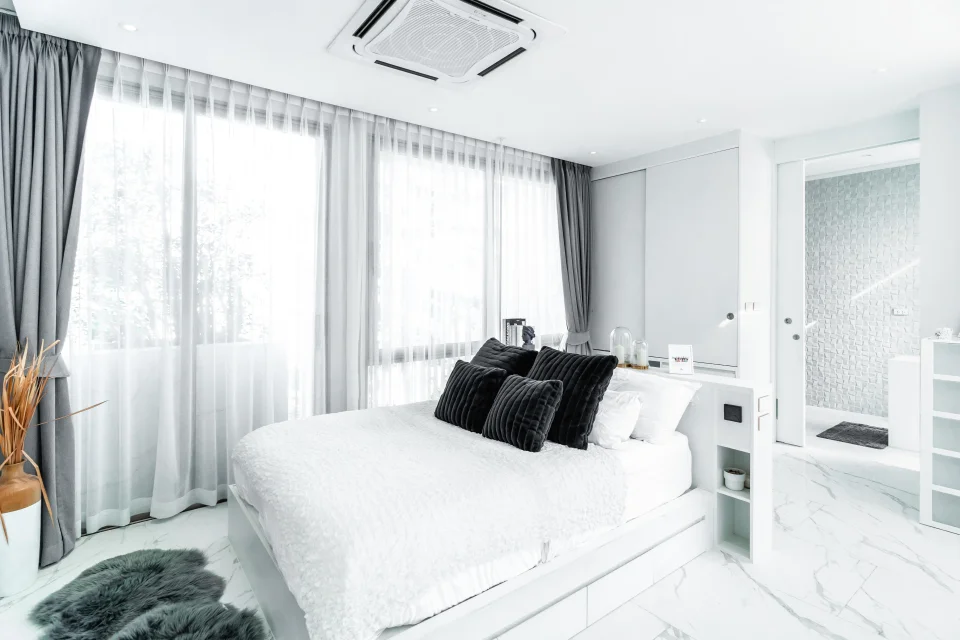
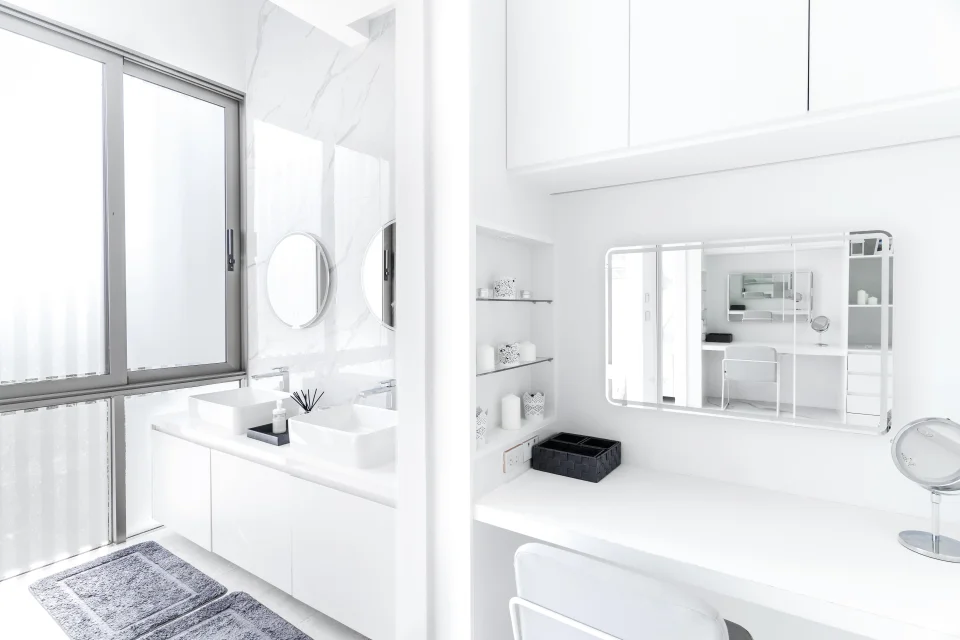
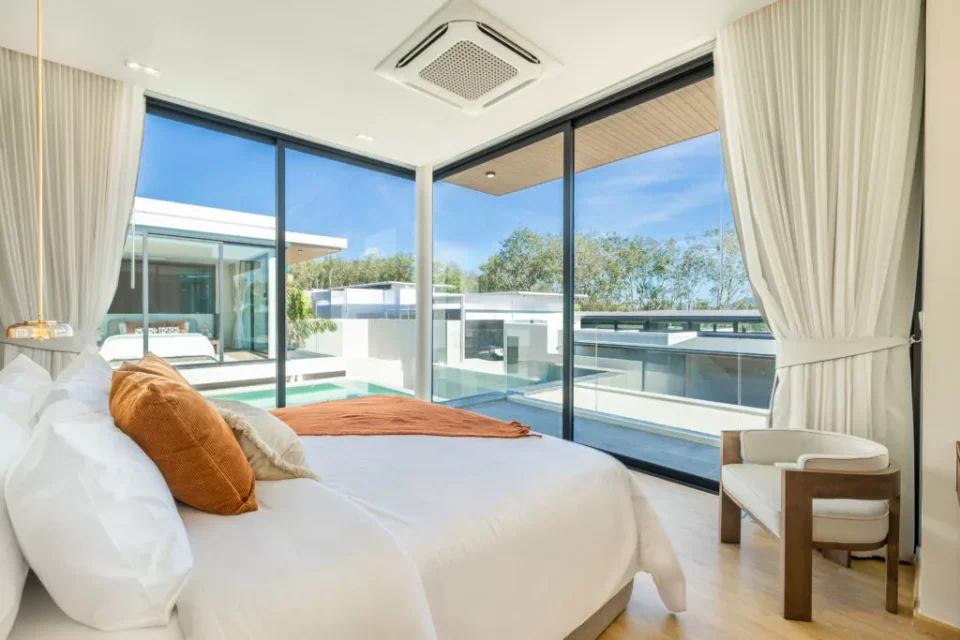
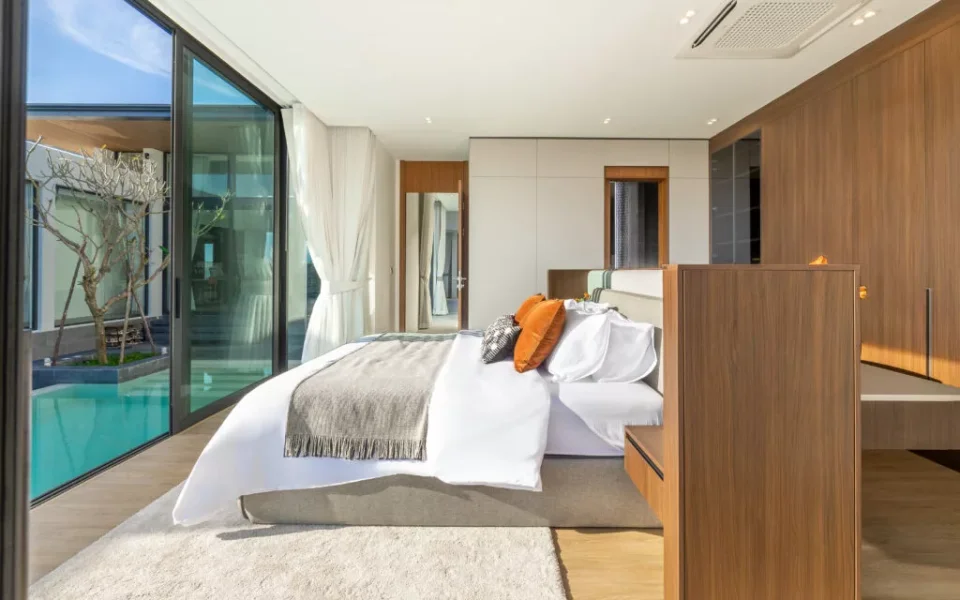
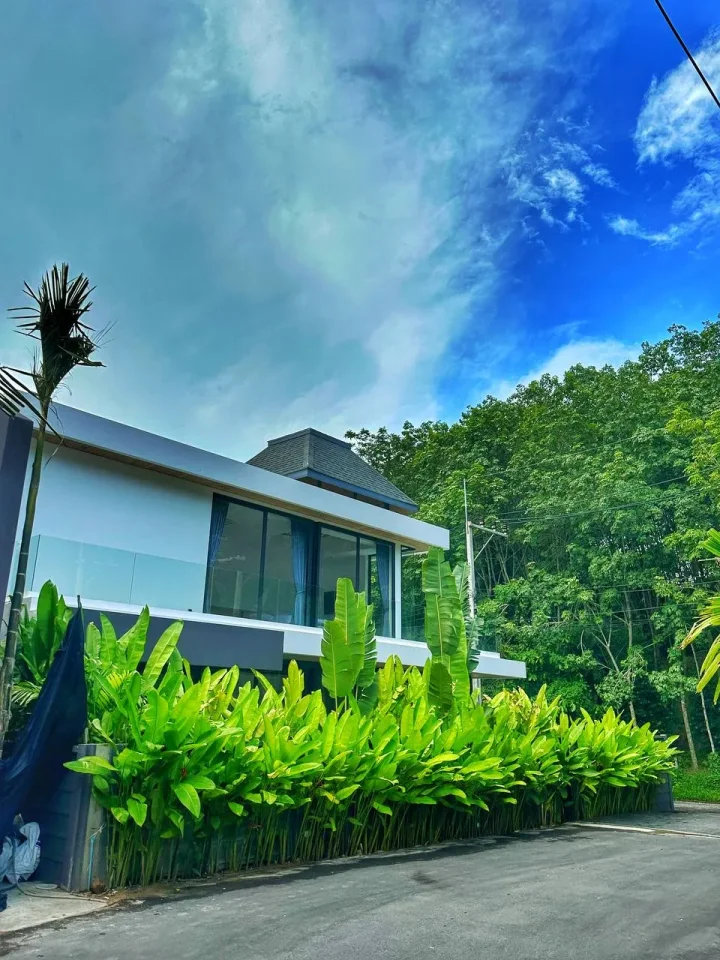
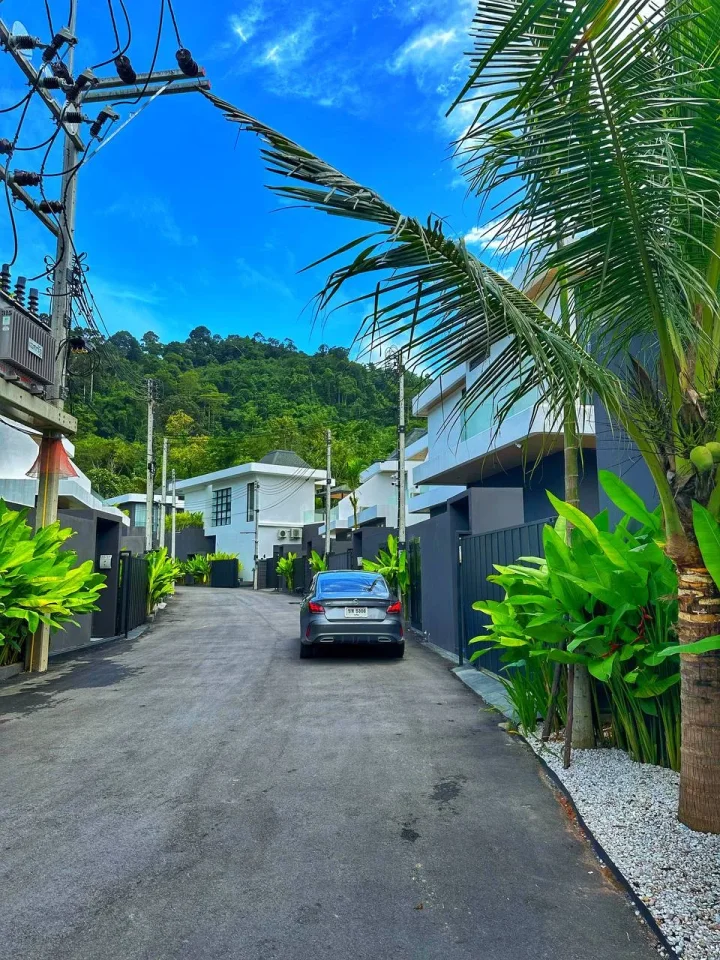
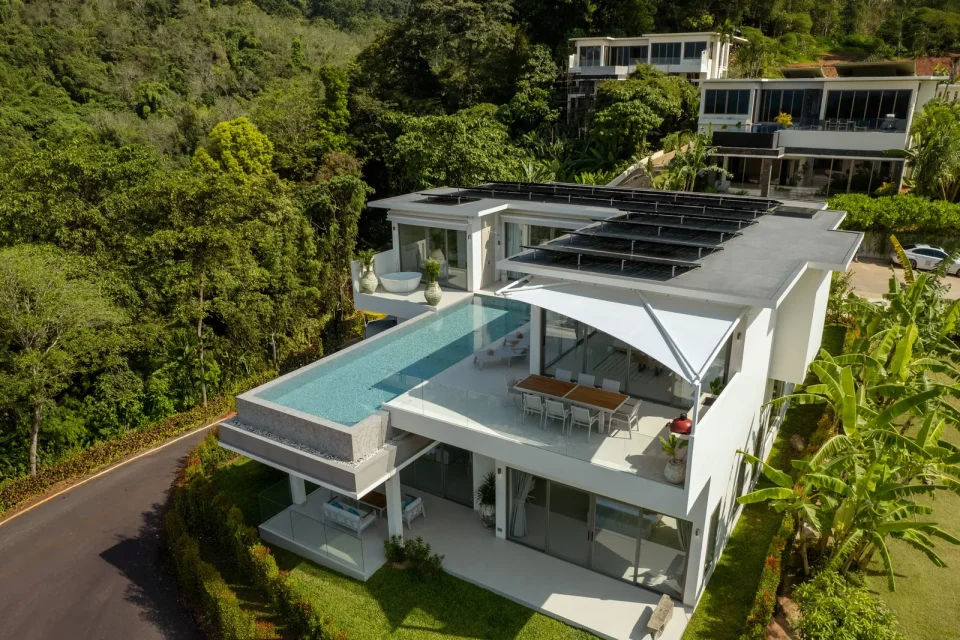
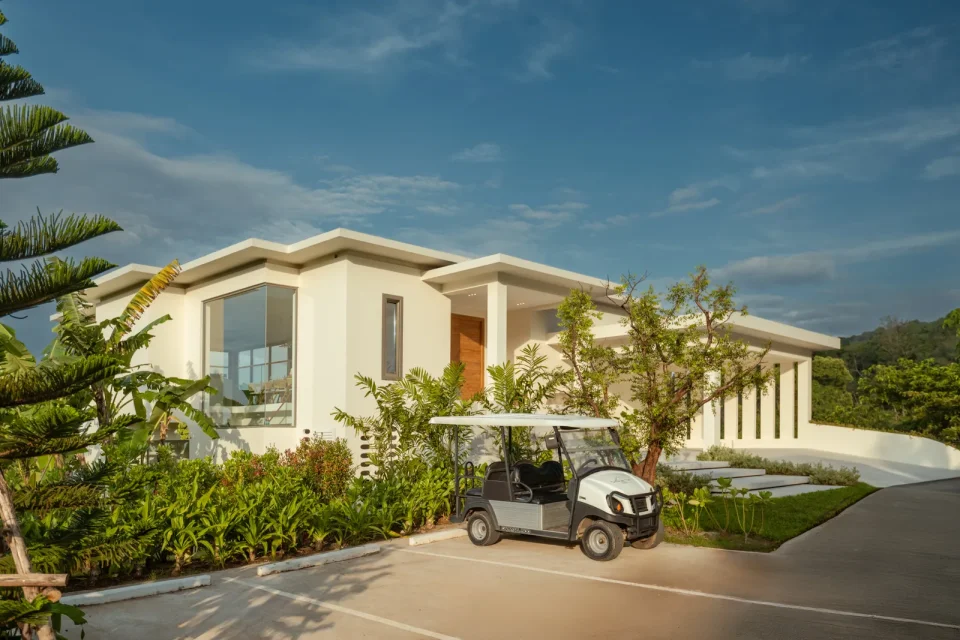
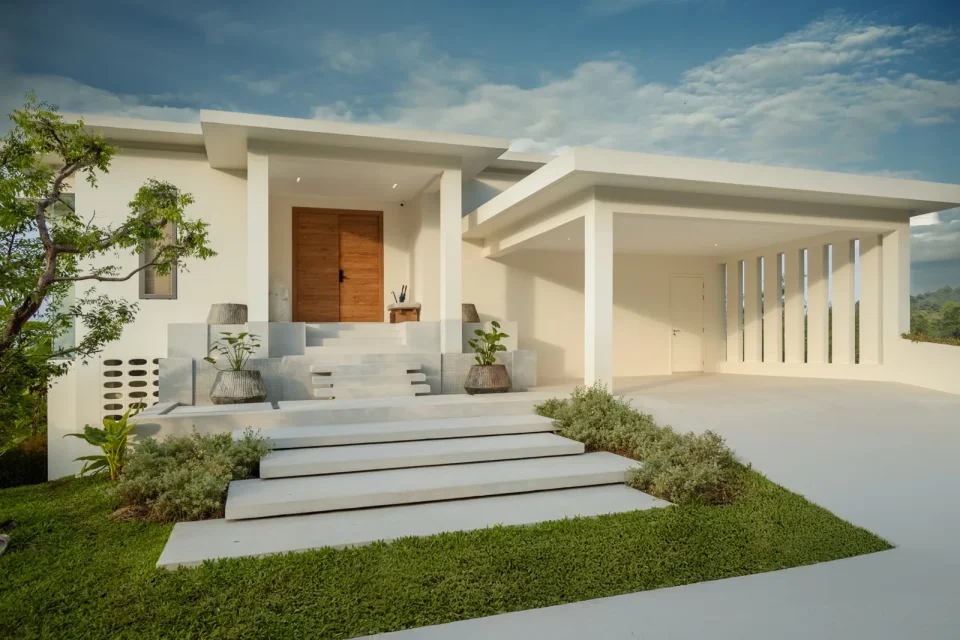
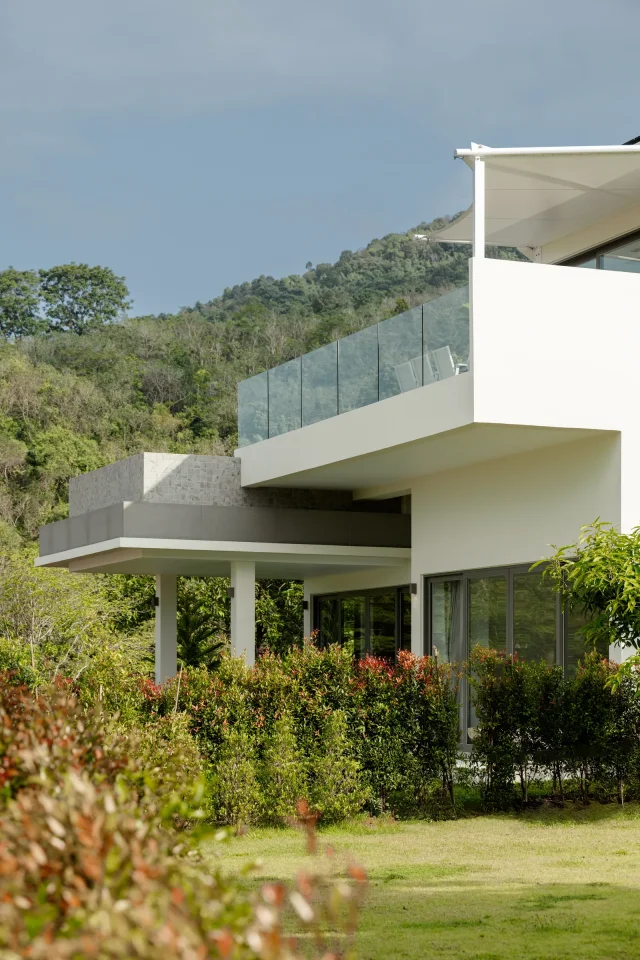
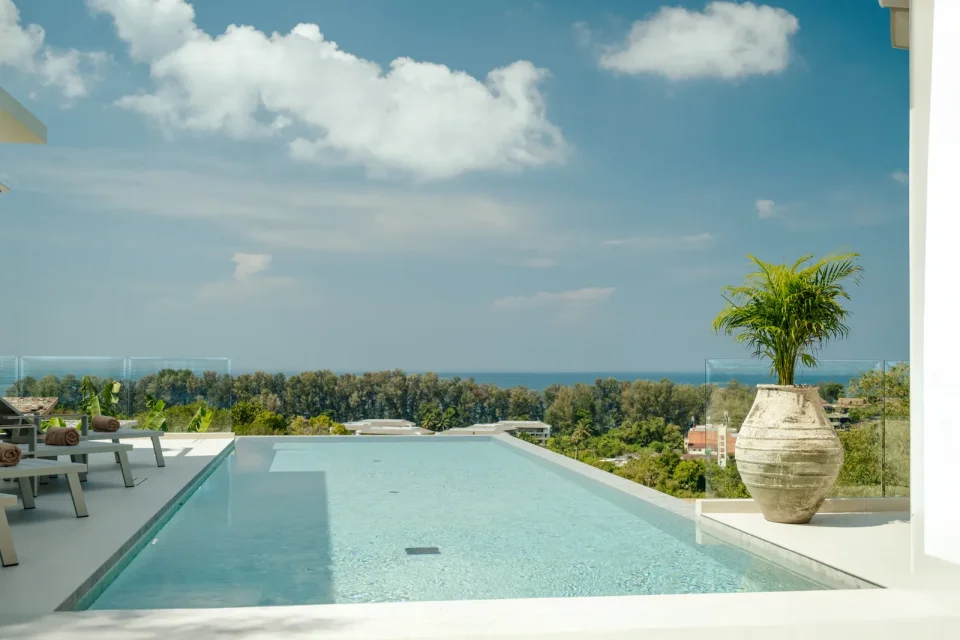
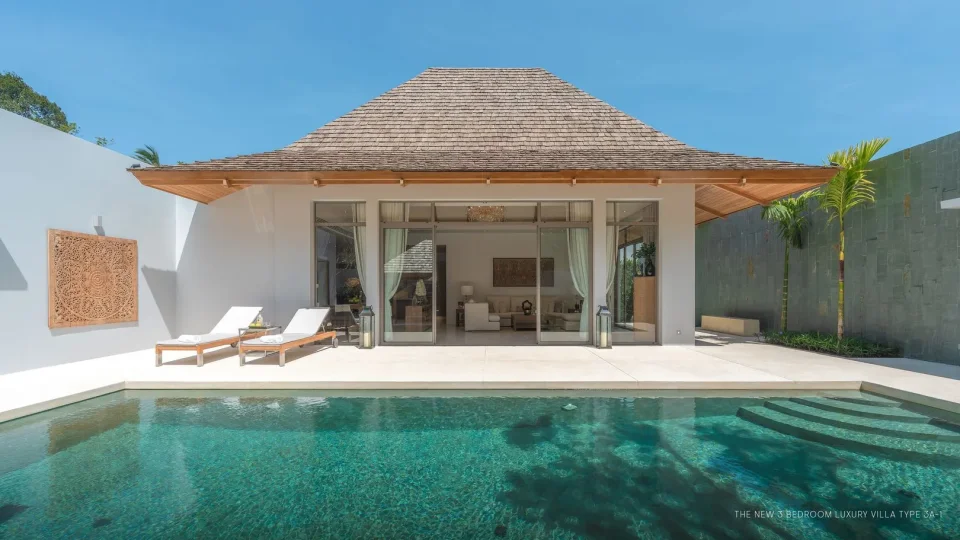
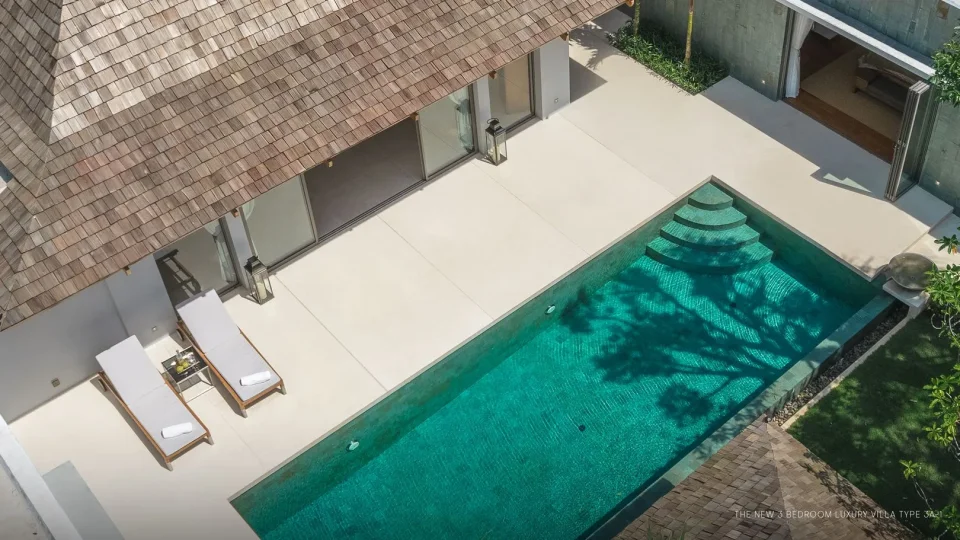
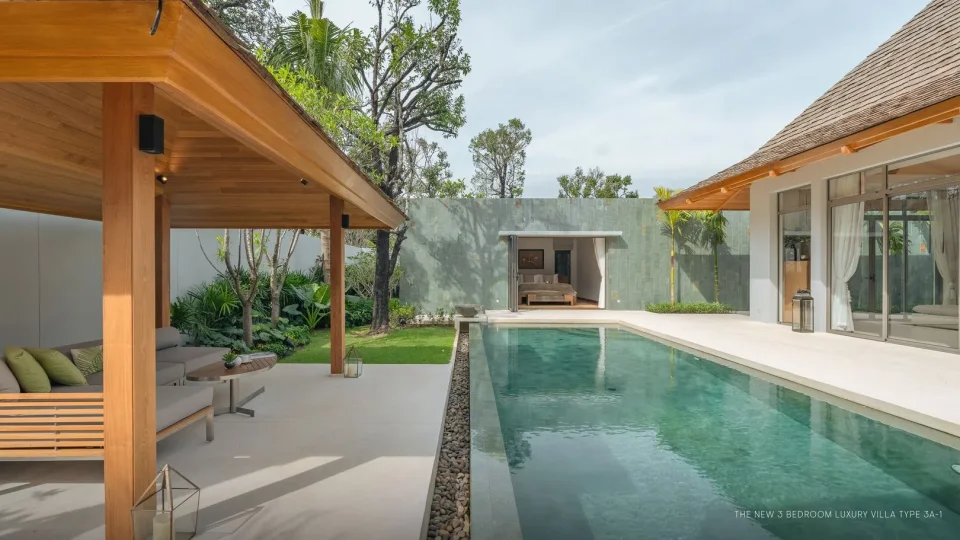
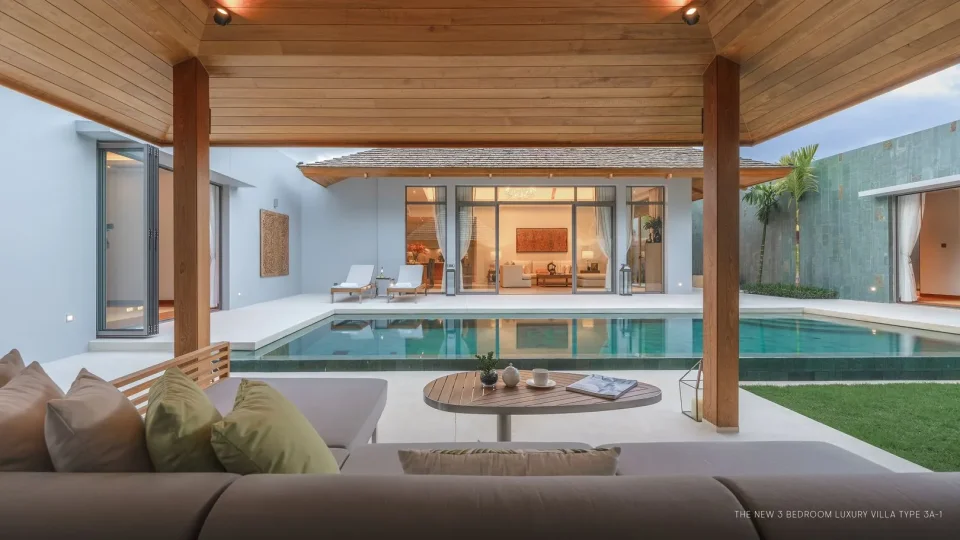
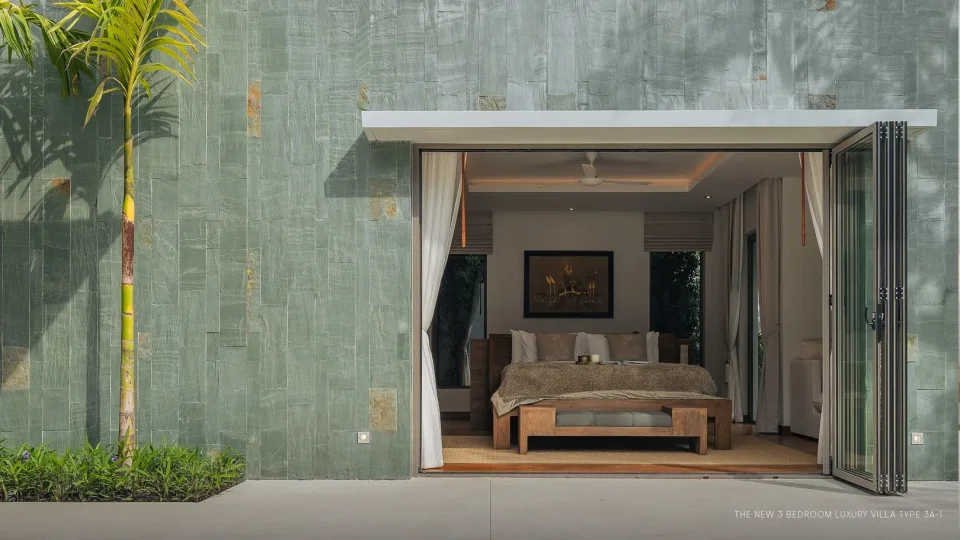
Unlike the smaller islands, Phuket has a broad resale market as well as new developments, so you can compare finished buildings with off-plan projects. Our Phuket listings range from compact studios to large sea-view villas; you can see everything currently for sale on the Phuket properties page, with developments grouped under Phuket projects.
Which areas of Phuket are best for buying property?
The right area depends on how you plan to use the property: the west-coast beaches suit holiday use and short-term letting, while central and southern areas suit residents and families. Each district has its own character.
- Bang Tao and Laguna (Cherngtalay), an established resort area with golf, hotels, cafes and many branded and villa projects; popular with families and owners who stay for long periods.
- Layan, Surin and Kamala, quieter beaches on the west coast, with hillside villas and low-rise condos, often with sea views.
- Patong, the island's busiest resort town, with lots of condos and strong short-stay demand, but noisy and seasonal.
- Karon and Kata, family beaches in the south-west with a mix of condos and villas and steady tourist traffic.
- Rawai and Nai Harn, relaxed southern areas favoured by long-term residents, with villas, sea-view projects and local services.
- Chalong, Kathu and Phuket Town, residential areas closer to schools, hospitals and everyday services; better for living all year than for holiday lets.
- Mai Khao and Nai Yang, the north-west near the airport, with national-park beaches and resort-style condo projects.
What can you buy and what does it cost?
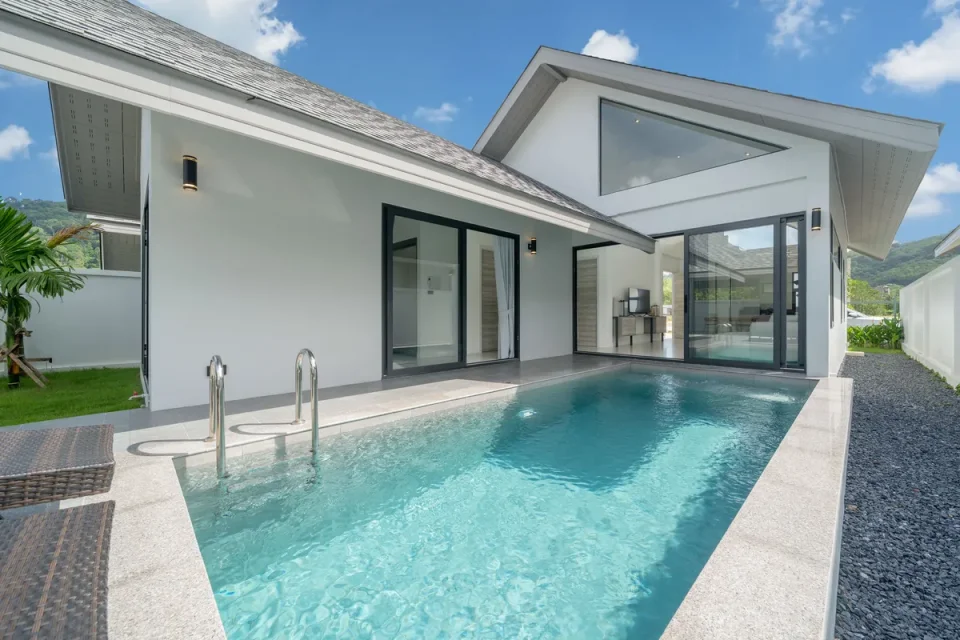
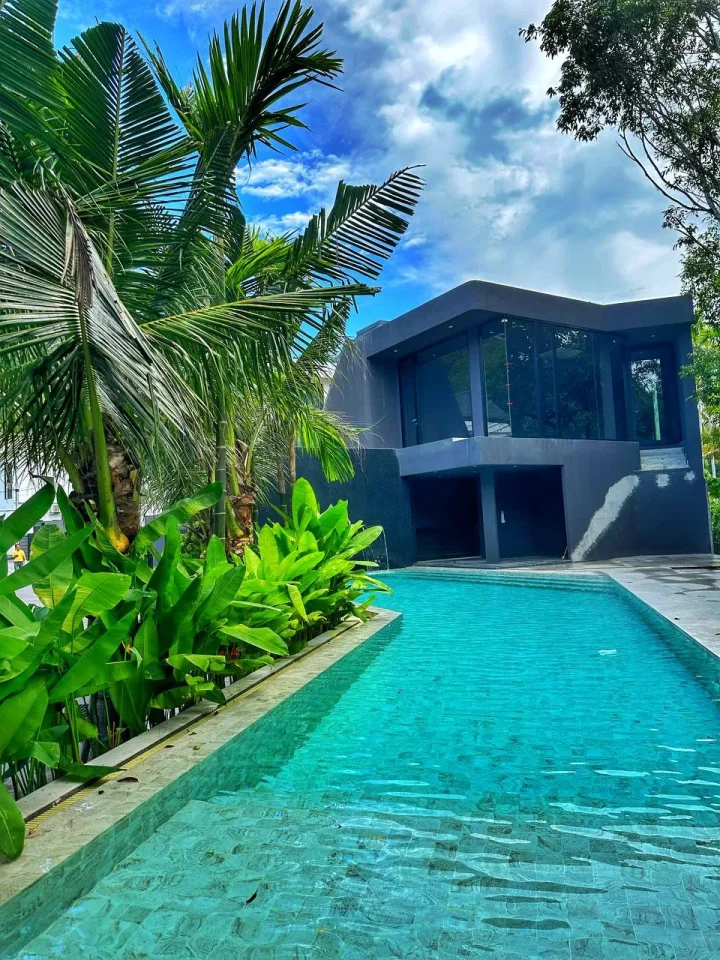
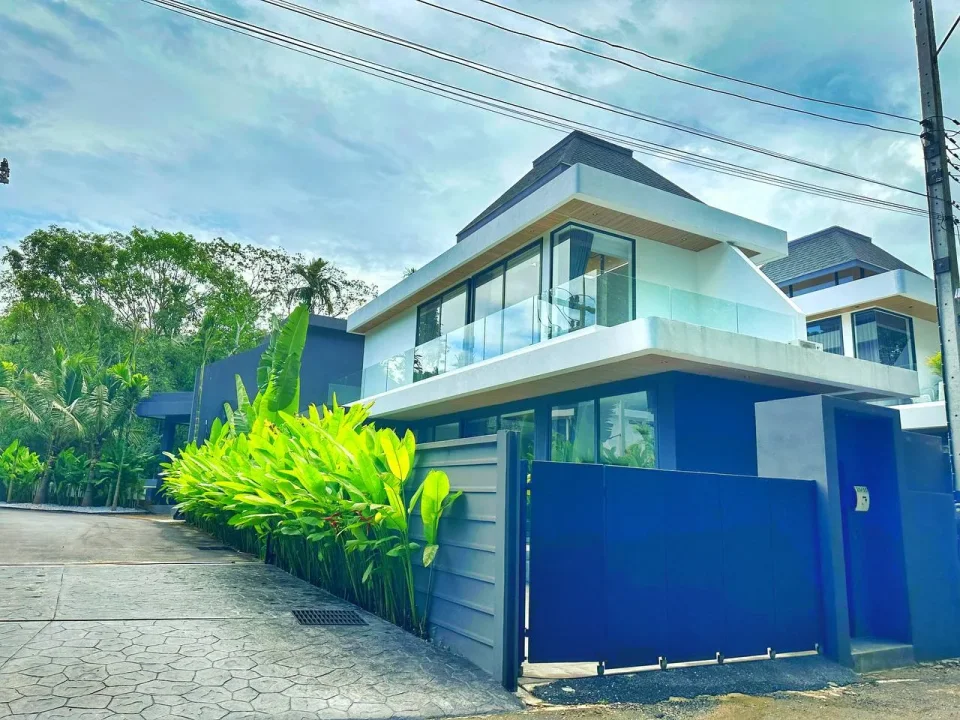
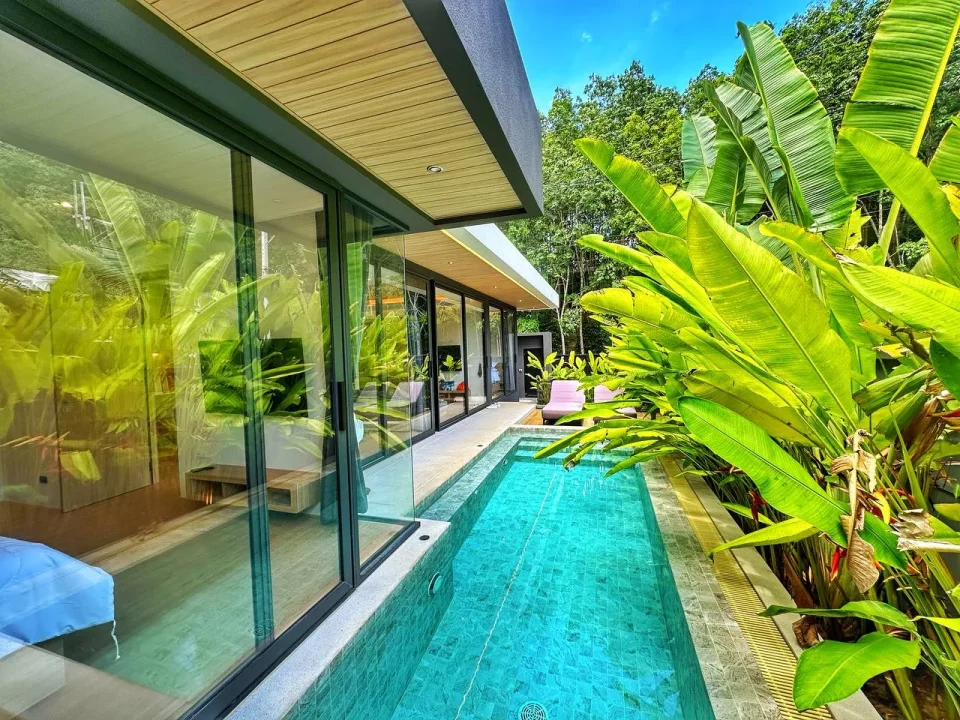
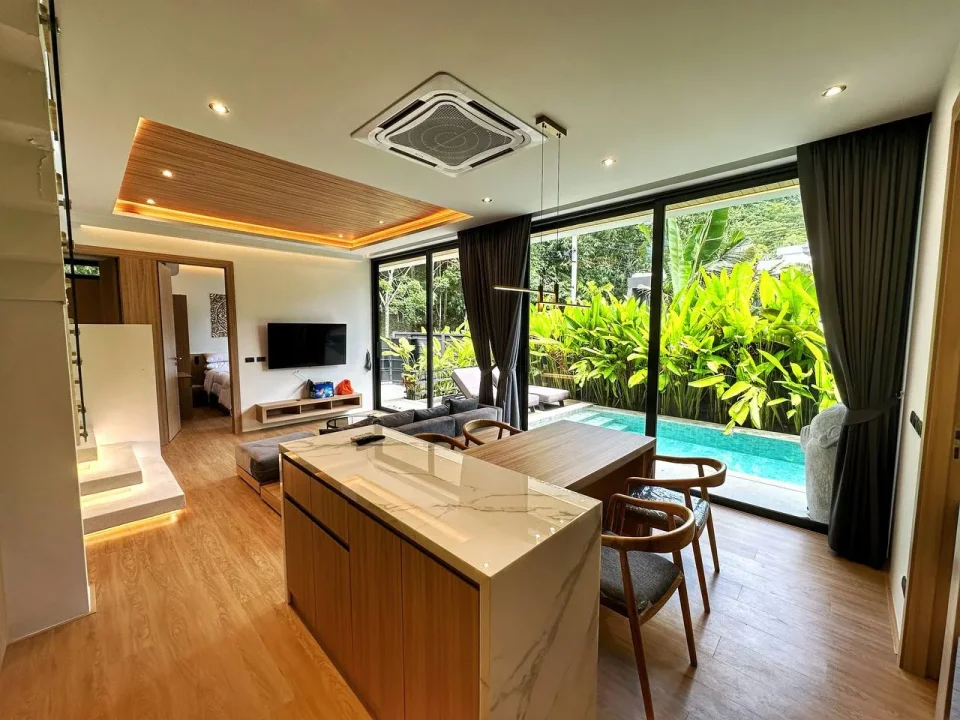
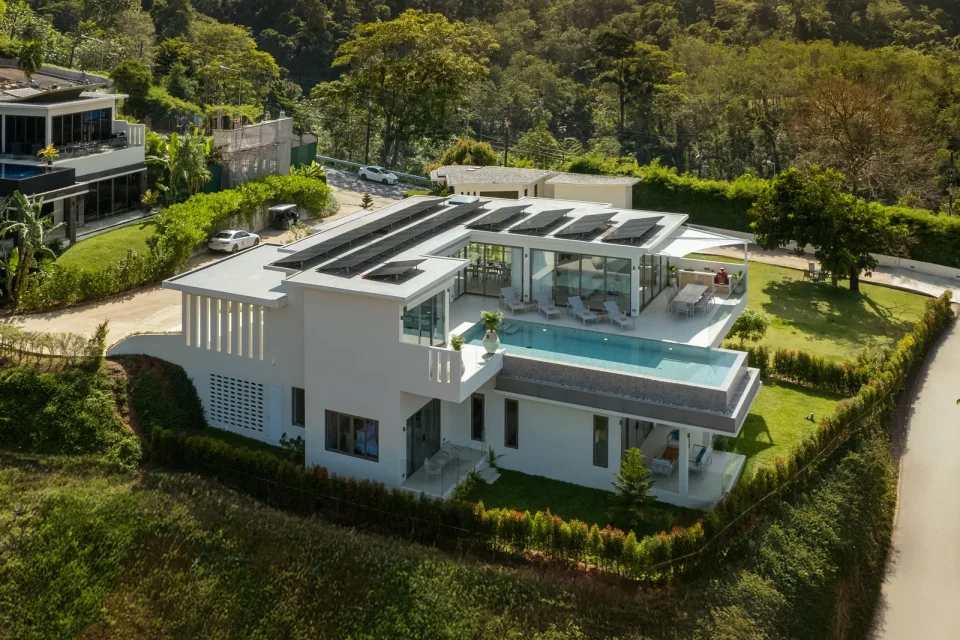
Phuket has condominiums, pool villas and townhouses, priced from under 2 million THB for a small unit to several hundred million THB for a large sea-view villa. The ranges below are a guide; actual prices depend on location, view, finish and how far construction has progressed.
- Studios and 1-bedroom condos, roughly 1.5–6 million THB, more in beachfront or branded buildings.
- 2–3 bedroom condos, roughly 5–20 million THB, with premium sea-view units above that.
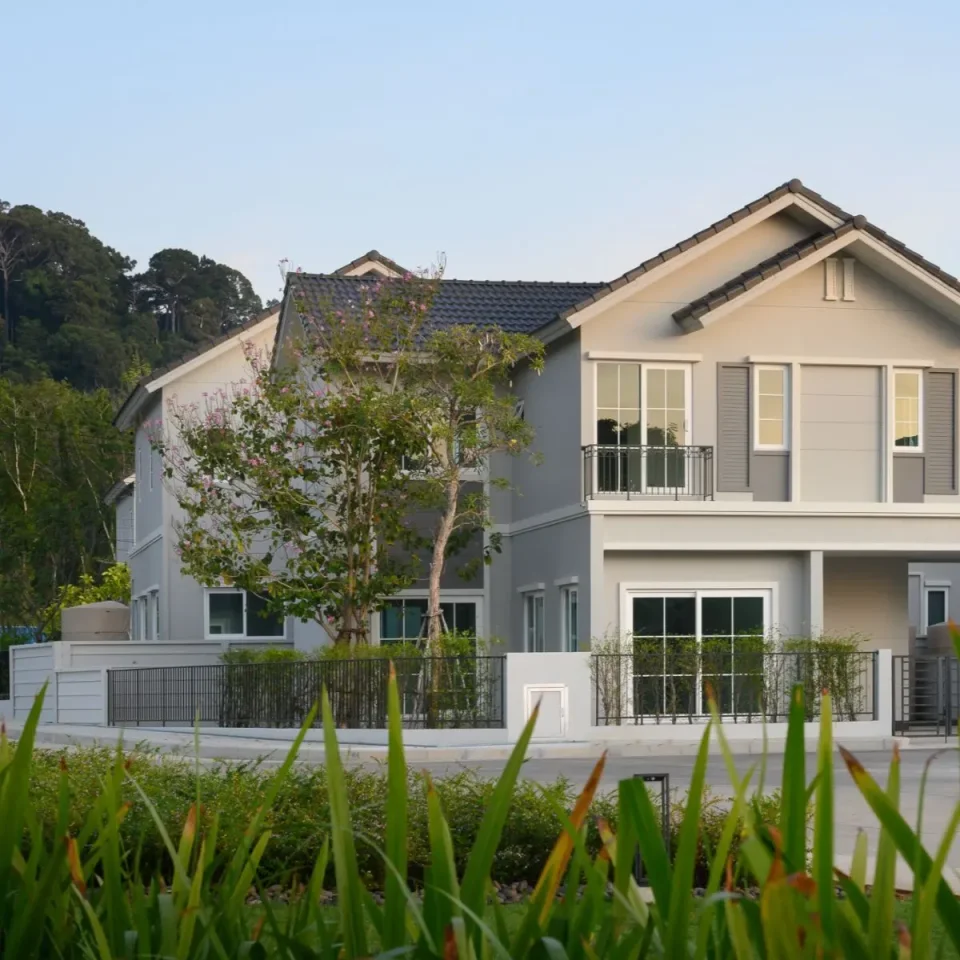
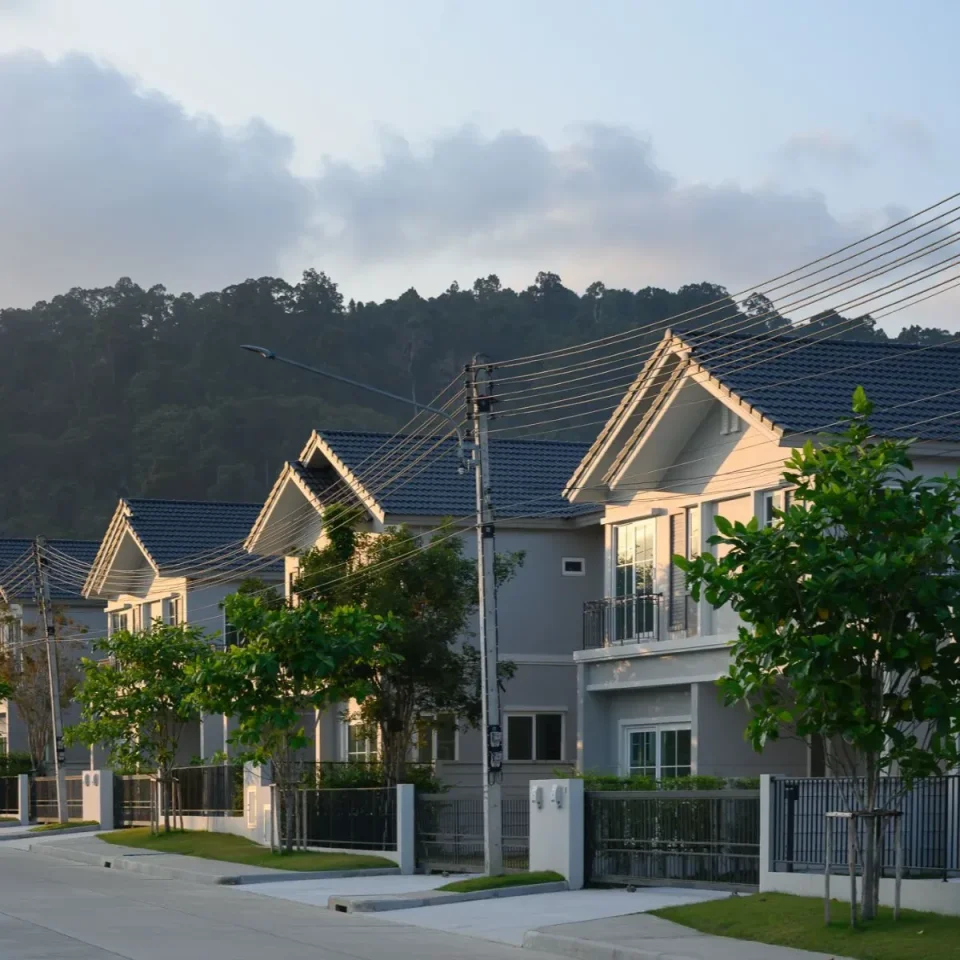
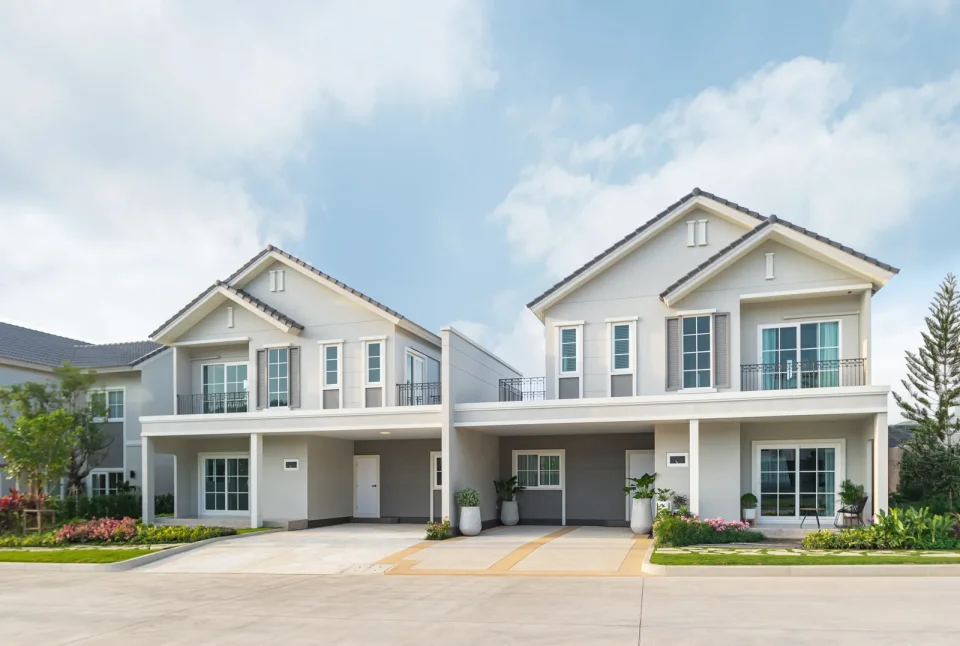
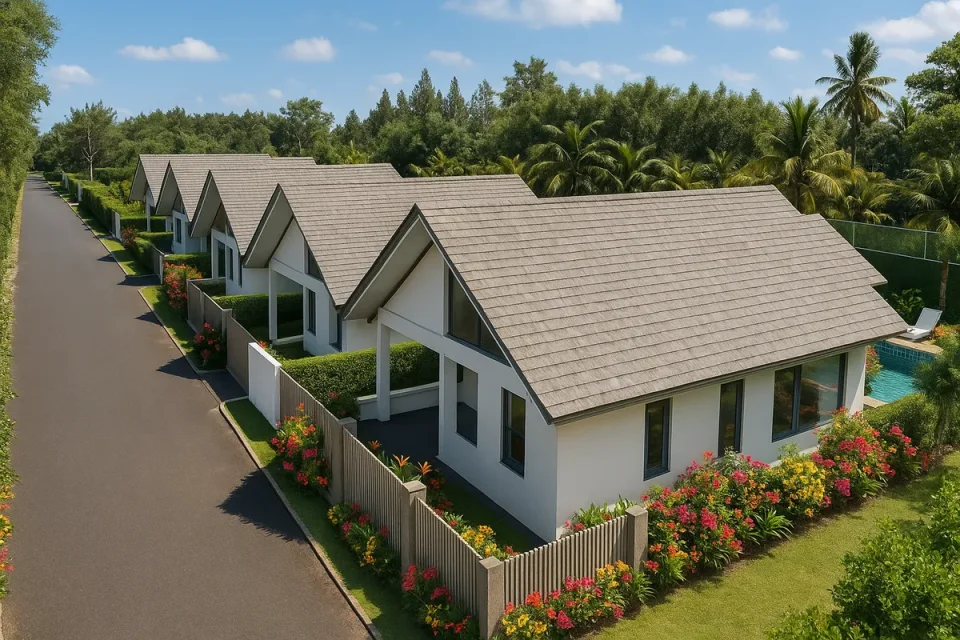
- Townhouses and compact pool villas, roughly 8–25 million THB, mostly in inland or southern areas.
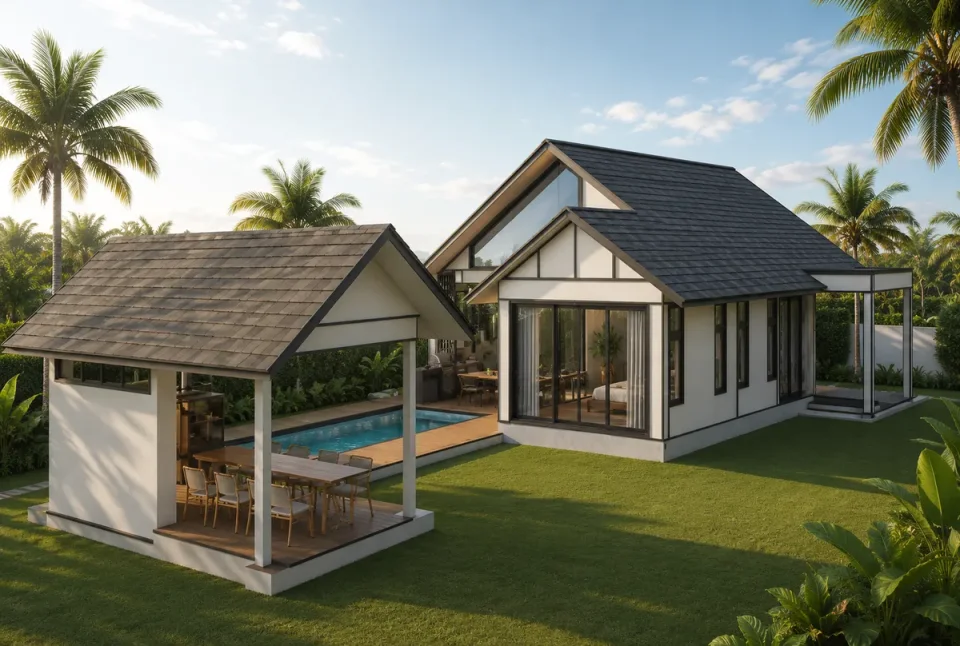
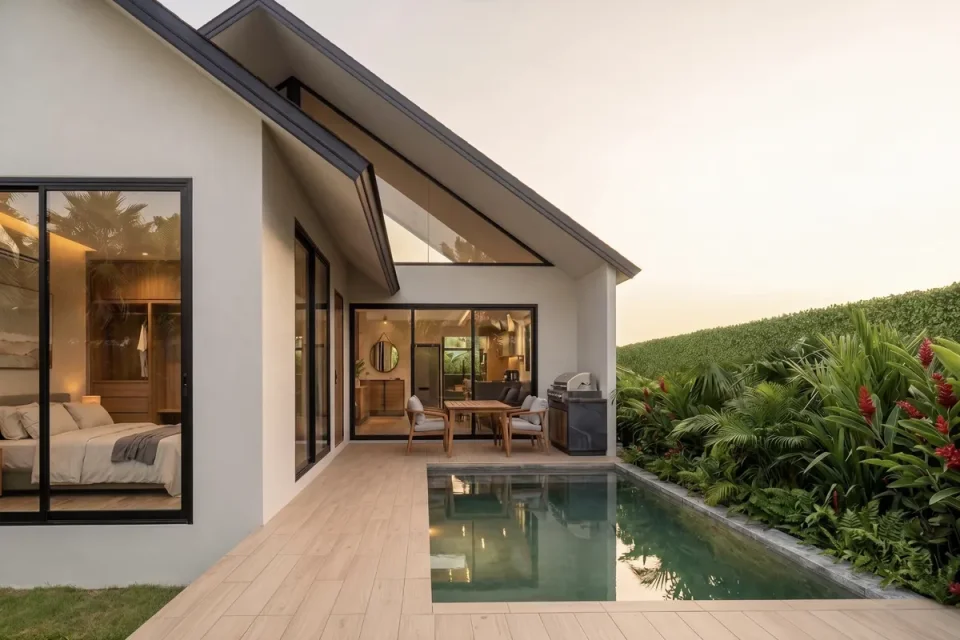
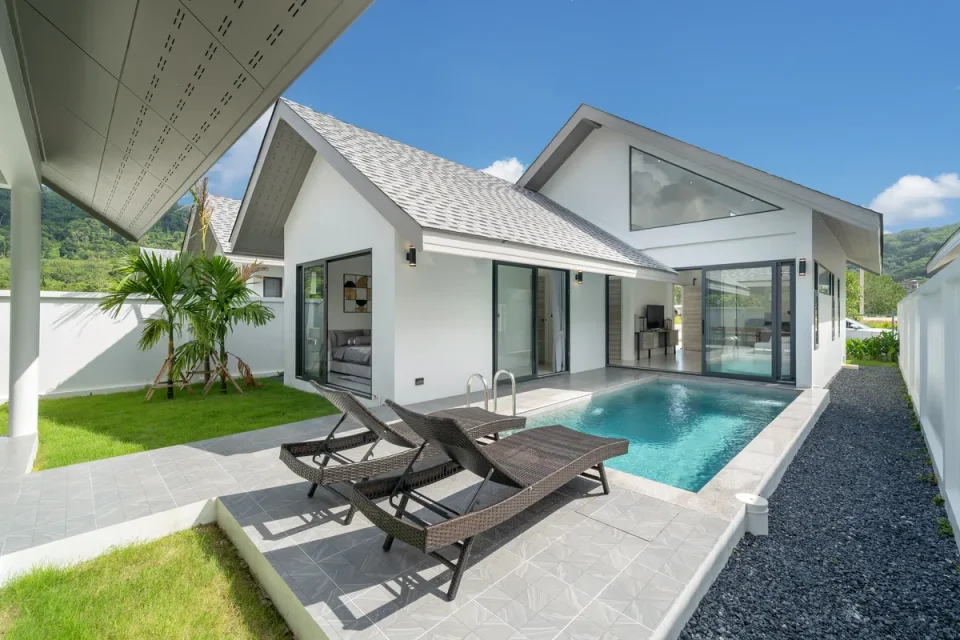
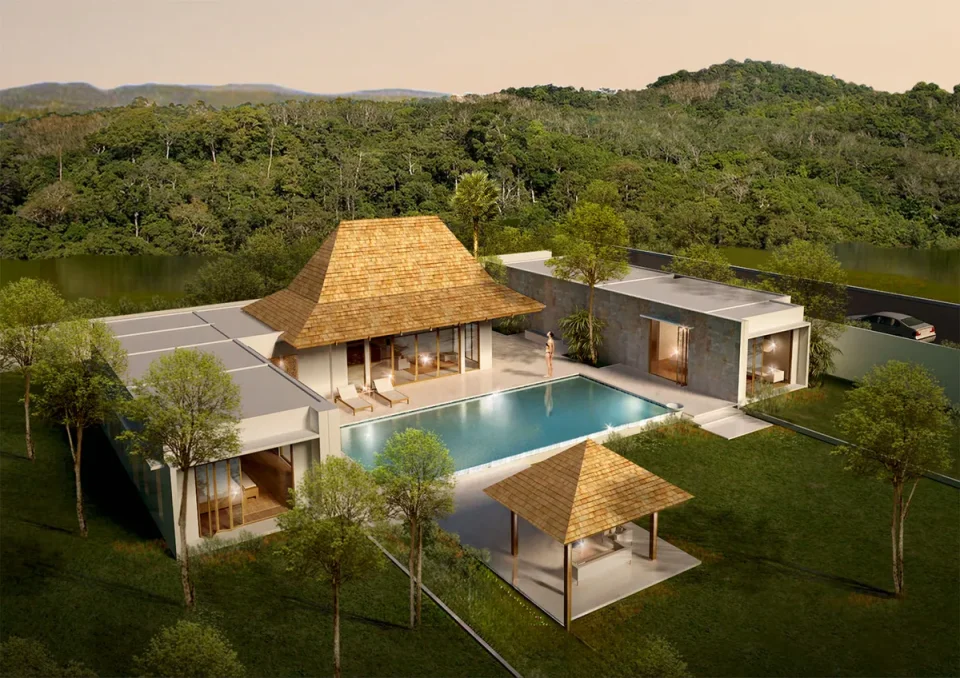
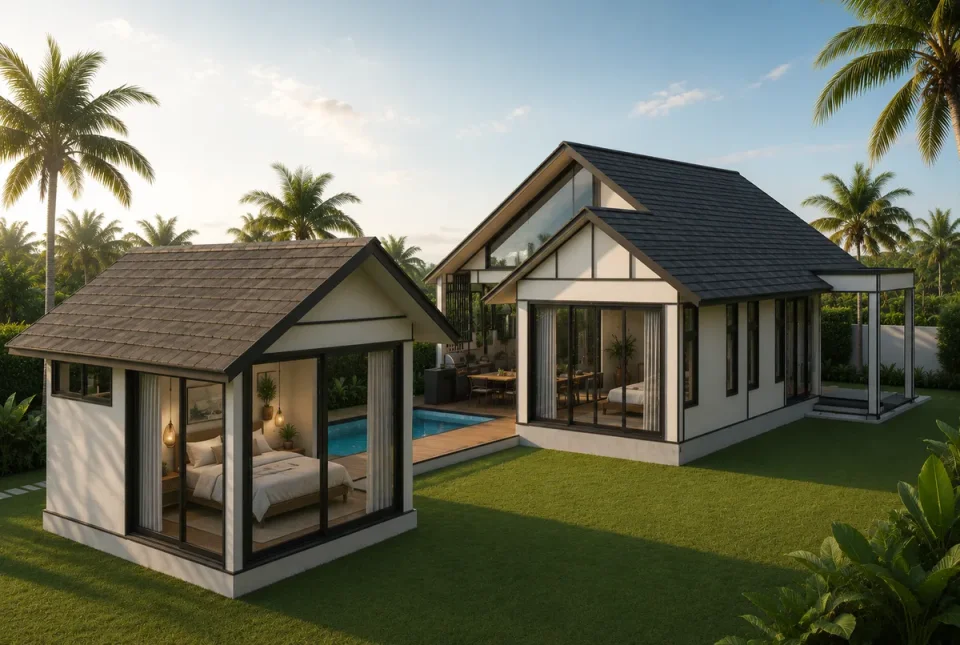
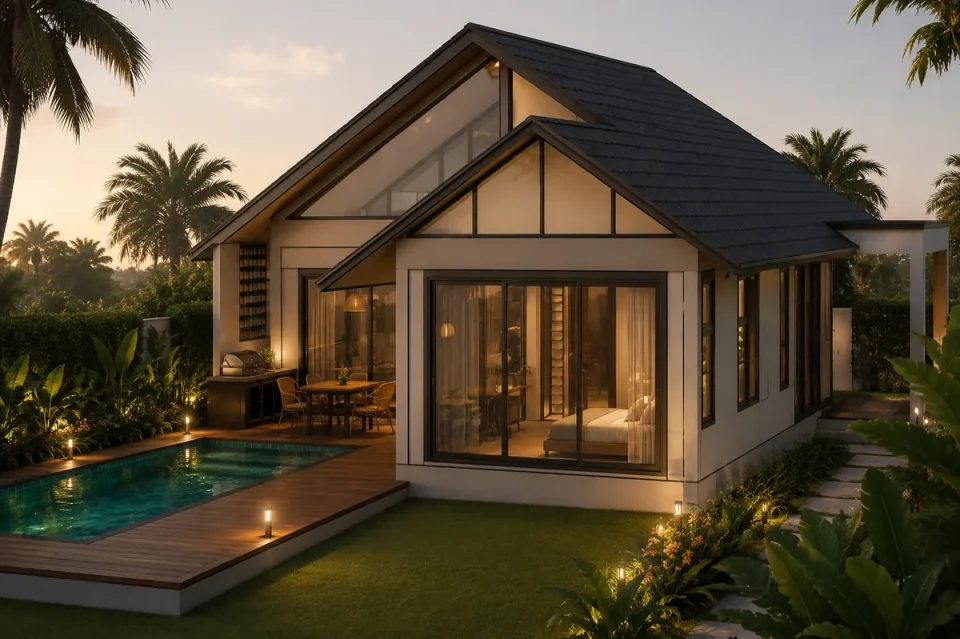
- Large pool villas and sea-view residences, from about 25 million THB to well above 100 million THB in locations such as Layan, Kamala, Surin or Cape Yamu.
Some listings say "Price on request" when the developer or owner prefers to discuss terms directly. Off-plan projects usually offer payment in stages tied to construction milestones; finished resale units are priced by the local market.
Can foreigners own property in Phuket?
Yes. Foreigners can own condominium units freehold in their own name, but cannot own land directly. Villas and houses are usually bought on a long-term lease or through another structure, which needs independent legal advice.
- Condominiums: under the Condominium Act, foreigners may own up to 49% of the total floor area of a registered condominium. The money must be sent from abroad in foreign currency and documented (the receiving bank issues a Foreign Exchange Transaction form).
- Land and villas: foreigners may lease land for up to 30 years under section 540 of the Civil and Commercial Code, with the lease registered at the Land Office. Renewals agreed in advance (for example "30+30") are promises in the contract, not registered rights, and Thai courts have refused to enforce them as a way around the 30-year limit. Longer leases have been proposed, but they are not law.
- Company structures: Thai companies with foreign involvement are regulated and closely scrutinised; any such structure should be set up and checked by a licensed lawyer, not by the seller.
The transfer fee, withholding tax and either specific business tax or stamp duty are paid at the Land Office; the sale contract sets out who pays what. There is more detail in our buyer guides.
Is there rental demand for property in Phuket?
Yes. Phuket has short-stay holiday demand and a growing long-term rental market, but income depends on the season, the location and the quality of management. No return is guaranteed, and any projected yield should be checked against real occupancy figures.
The high season usually runs from November to April, when the west coast is calm and dry; from May to October the south-west monsoon brings rougher seas and lower occupancy in beach areas. Long-term tenants, such as families, remote workers and people who work on the island, keep demand going around Chalong, Kathu, Rawai and Bang Tao all year.
Before you count on rental income, check the building's rules on letting and look closely at any "guaranteed rental" scheme: it is a contract with the developer, and it is only worth as much as the developer's ability to pay. Under the Hotel Act B.E. 2547 (2004), letting a home for less than 30 days at a time generally needs a hotel licence, and most condominium buildings and private villas do not have one.
What is it like to live in Phuket?
Phuket combines resort life with the services of a small city: an international airport, private hospitals, international schools, shopping centres and marinas. The downsides are traffic and the crowds in high season.
- Airport: Phuket International Airport in the north of the island has domestic flights and international routes to Asia, the Middle East and, seasonally, Europe.
- Healthcare: private hospitals include Bangkok Hospital Phuket and Bangkok Hospital Siriroj; Vachira Phuket Hospital is the main public hospital.
- Education: international schools on the island include British International School Phuket, HeadStart International School and UWC Thailand.
- Transport: there is no rail system; most residents drive or use taxis and ride-hailing apps. The Sarasin Bridge connects the island to the mainland.
What should you check before buying property in Phuket?
Check the title, the permits, the seller and the contract before you pay anything beyond a refundable reservation deposit. Independent due diligence matters more than the price.
- The type of title deed (Chanote is the strongest), and the plot's zoning and access road.
- Building permit, EIA approval where required, and whether the condominium is registered and within the foreign quota.
- The developer's track record: completed projects, delivery times and financial standing.
- Sale and purchase contract terms: payment schedule, completion date, penalties, defects warranty, escrow or bank guarantees.
- In resale buildings, common-area fees, the sinking fund and the juristic person's finances.
- Hillside plots: slope stability, drainage, road access in the rainy season.
- Foreign-currency transfer documentation for condominium ownership.
- How taxes and fees are split at transfer, and what it will cost you to resell later.
How can Private Office Property help you buy in Phuket?
Private Office Property works for the buyer: we help you narrow down the options, organise due diligence and take care of the handover after purchase. We do not promise returns, and we do not replace your lawyer.
- Buyer representation: choosing from listings, projects and developers in Phuket, viewings and negotiation.
- Due diligence coordination: working with independent lawyers on title, permits and contract review.
- After purchase: handover inspection and furnishing.